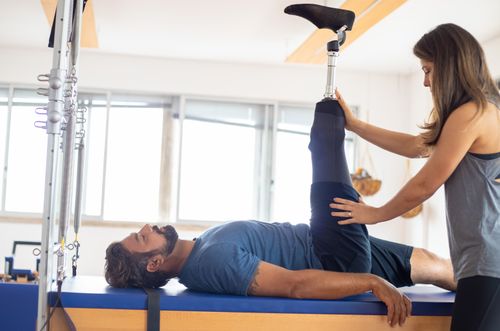
Our joints help us reach, turn, carry, and explore the world around us. Caring for them is not about pushing through discomfort; it is about finding movement and support that feel appropriate for your body and your day.
Choose movement that feels welcoming
Walking, stretching, gardening, dancing, or gentle strength work may all be ways to stay active. The best choice is one you can approach comfortably. If you are returning to movement after a break or managing an ongoing condition, a clinician or movement professional can help you adapt activities.
Pay attention to changes
Notice how your body feels during activity and afterward. New, persistent, or worsening pain deserves attention, especially if it interferes with everyday tasks. A professional can help identify what may be contributing and discuss suitable care options.
Support the whole picture
Rest, balanced meals, well-fitting footwear, and a gradual approach to activity can all be part of a broader joint-care conversation. The right combination varies by person, health history, and goals.
Ask for guidance when you need it
You do not have to work out a concern alone. Bring questions about mobility, stiffness, or changing comfort to a healthcare professional and describe what you have noticed in your own words.
Movement should meet you where you are today, with room to change as you do.
This article is for general education and cannot diagnose joint or bone concerns. Seek personalised advice for new symptoms, significant pain, or changes that affect daily life.